

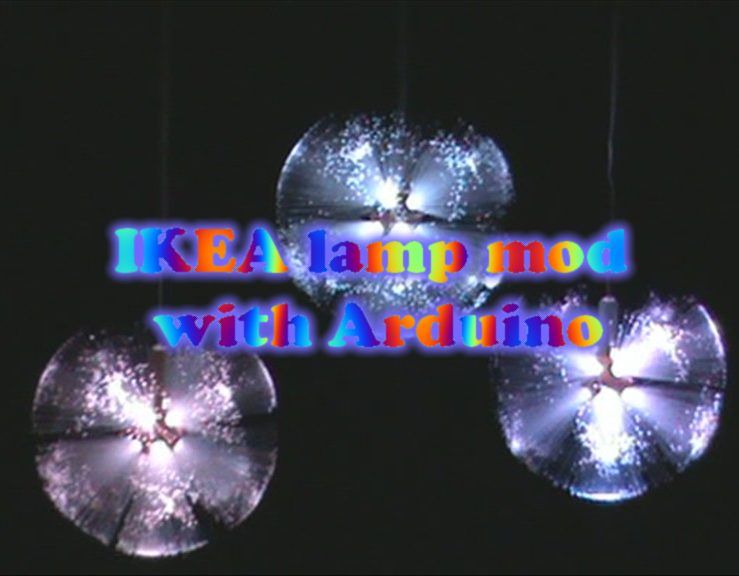
I love IKEA and her low cost products.
Last week I found this STRÅLA lamp.
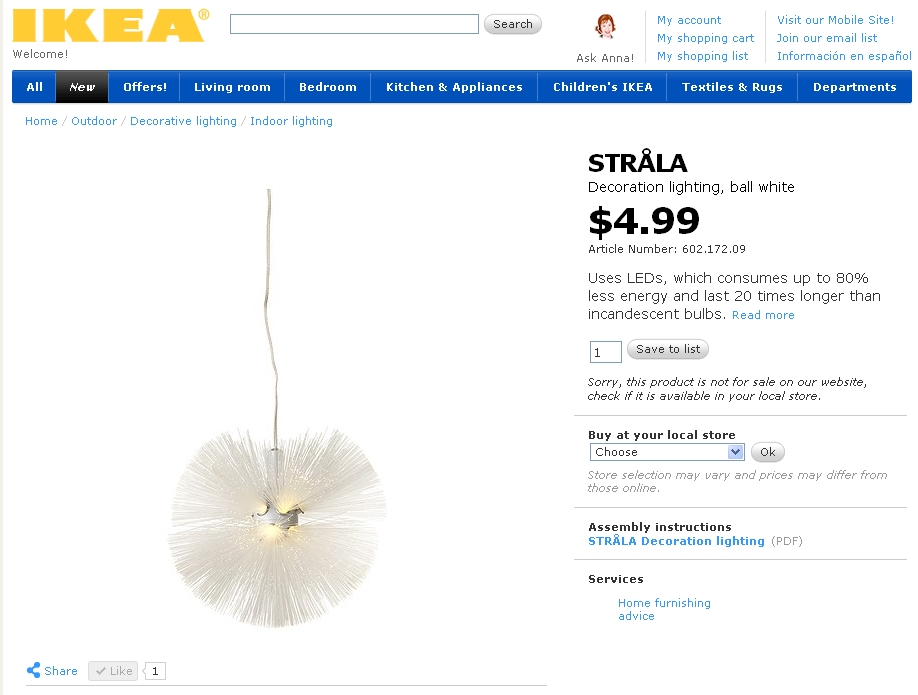
The cost is $4.99, so I bought it.
Lighting the lamp I saw that it ‘s very pretty but also … too soft…
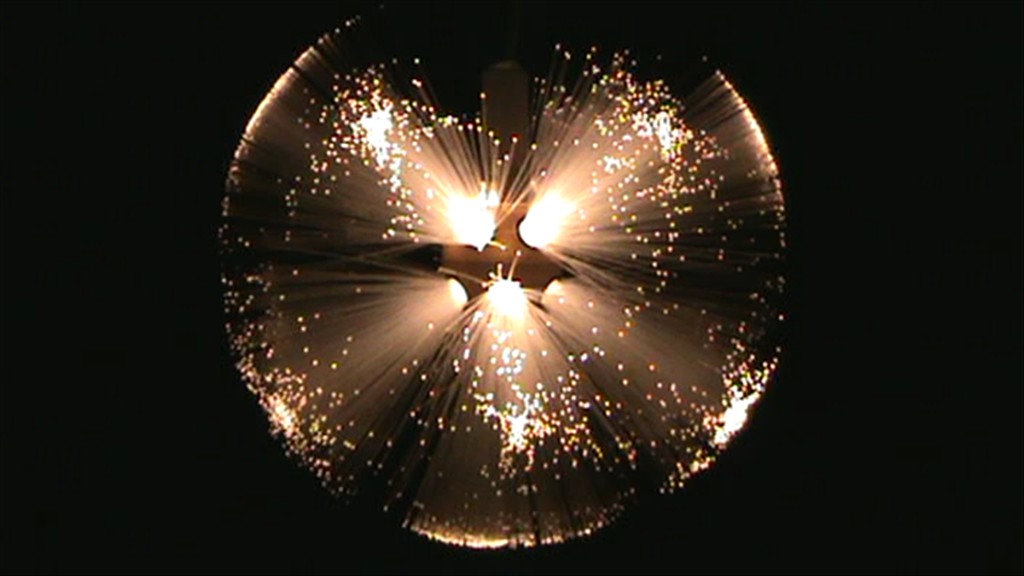
So I thought to modify the LED and add a RGB led.
With simple modify you can obtain a dinamic lamp.
I used an Arduino to do a fast work, but of course it isn’t necessary.
You can use a small microcontroller like a PIC12F675, or a ATTiny.
And this it the result:
[iframe_loader src=”http://www.youtube.com/embed/R7X_gqVrlv0?hl=it&fs=1″ height=”349″ width=”425″ ]
How to
Before all, you have to buy a STRÅLA
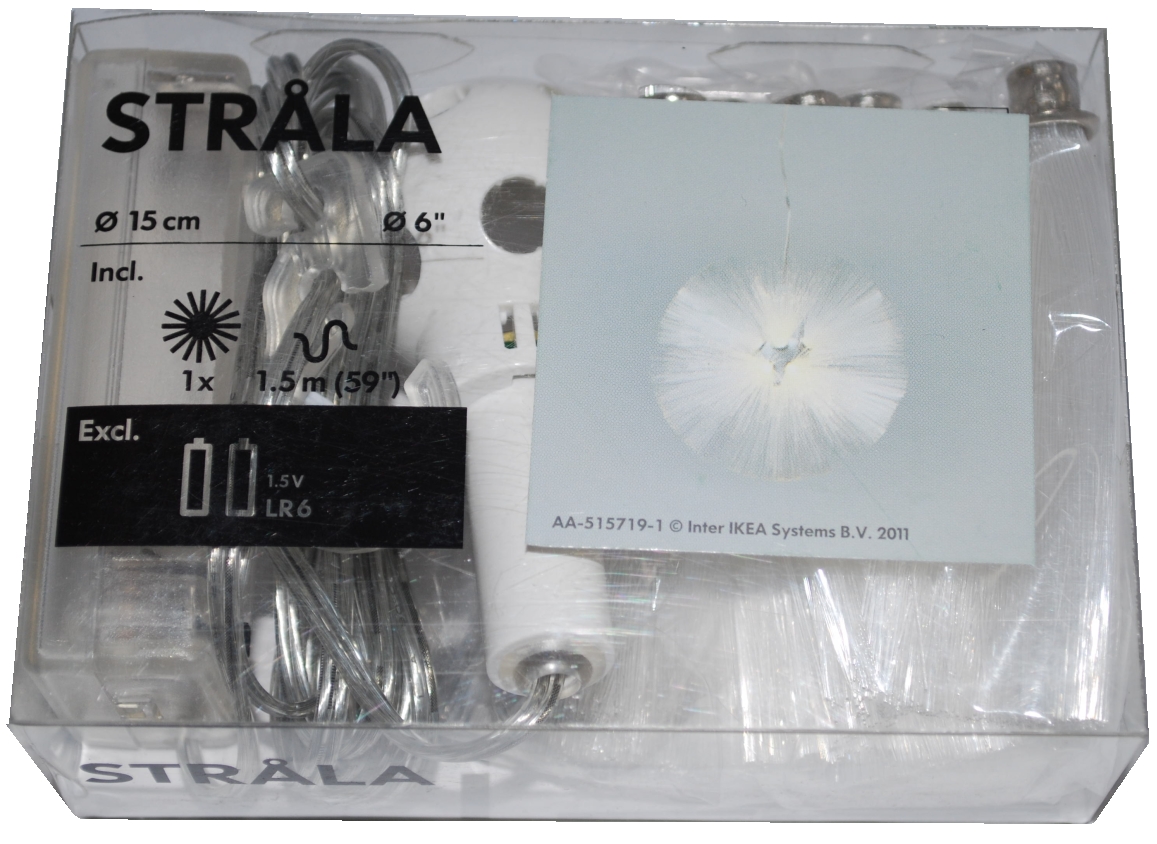
Open the package
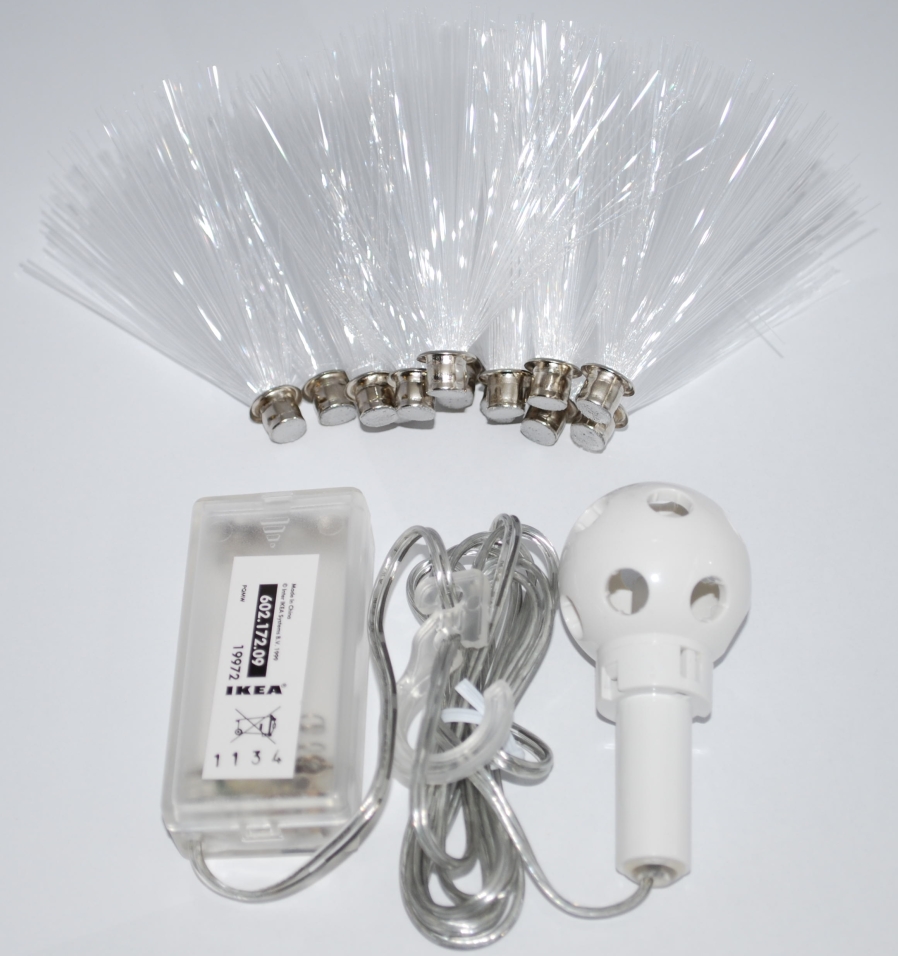
And disassemble the original LED

As you can see the LED shape isn’t normal, but there is a cone in the center to better spread the light.
So I modify the RGB led to obtain the same effects and I also smoothed the surface.
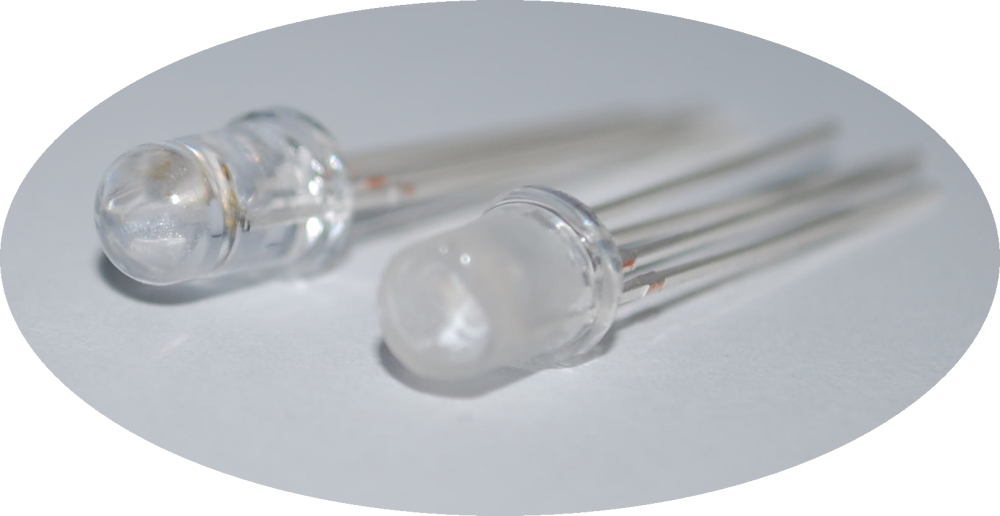
Connect the wire to the led and reassemble all.
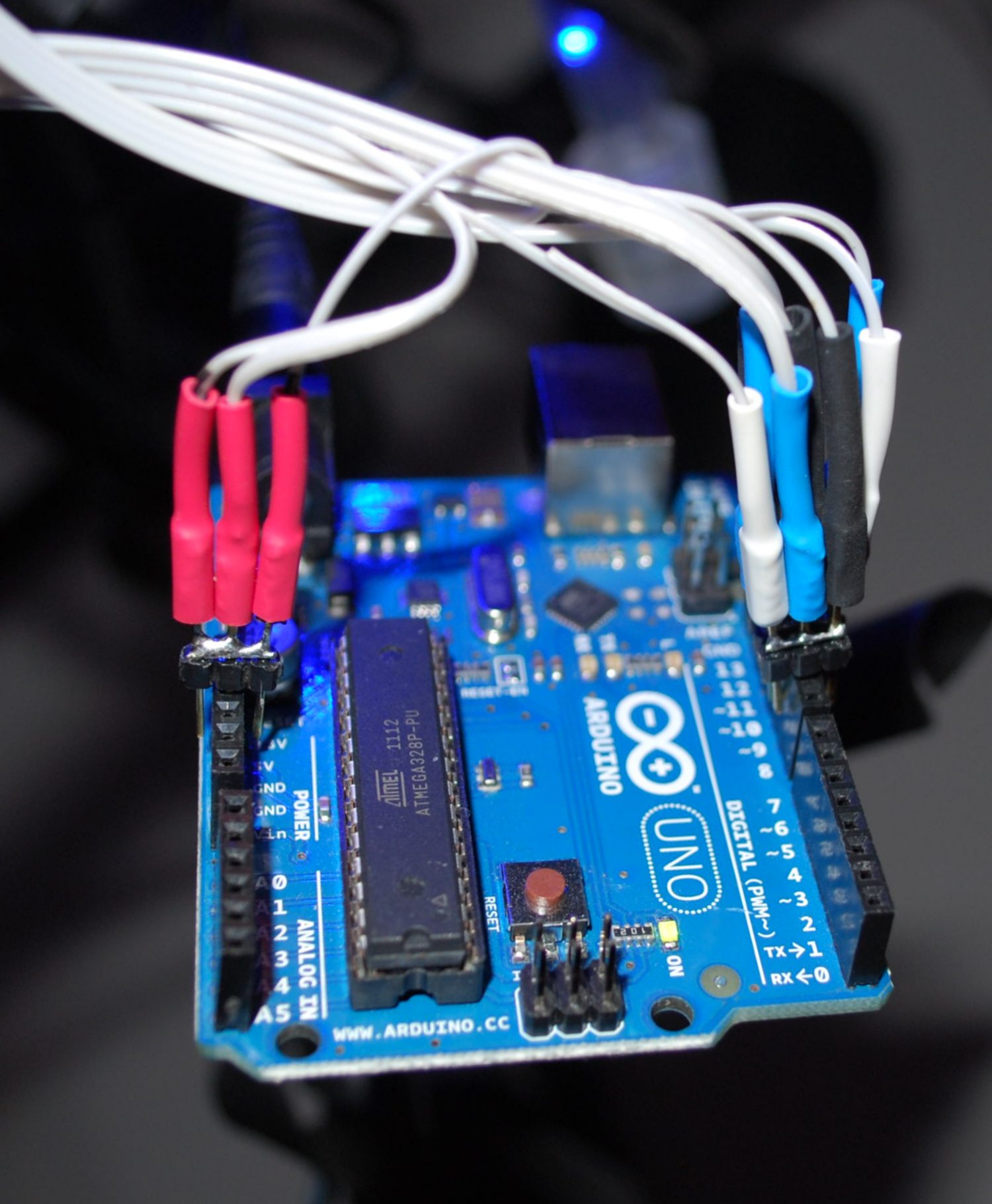
To connect the RGB led I used a strip wire and some pin.
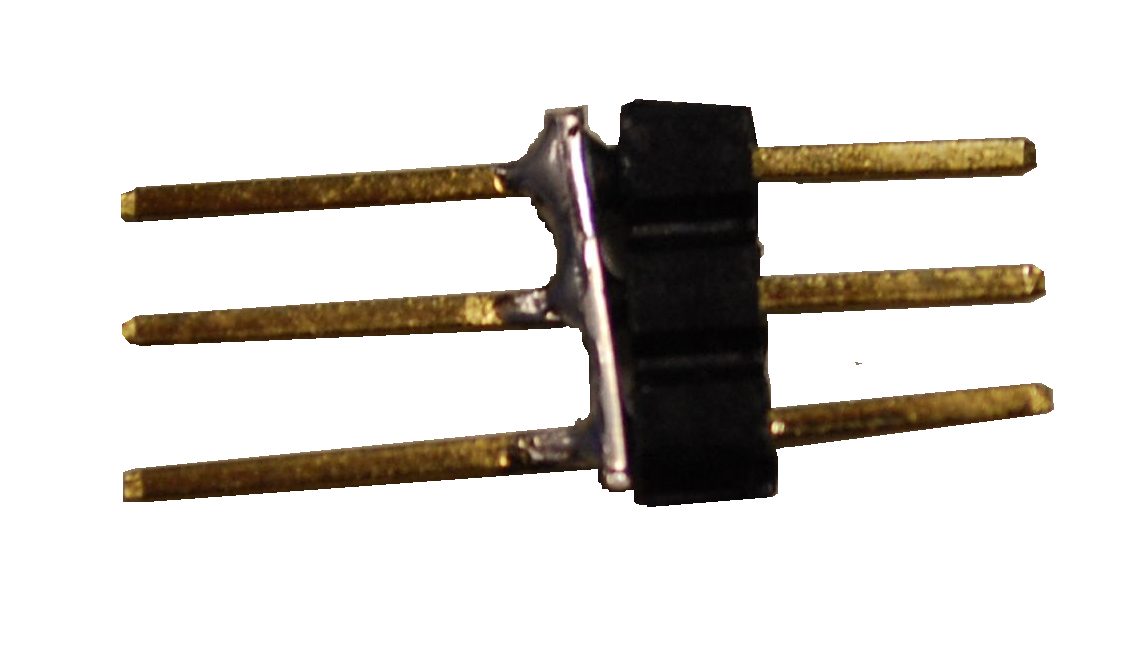
And now you can connect this pin to PWM ports of Arduino.
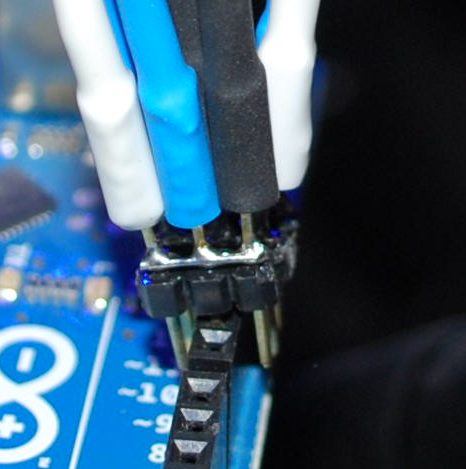
The black, blue and white wire are the RGB pin of the LED.
The red one is the Anode.
The sketch
/* IKEA Strala mods

 created 2011
 by Boris Landoni

 This example code is in the public domain.

 http://www.open-electronics.org
 http://www.futurashop.it
 http://blog.elettronicain.it/
 */

#include <EEPROM.h>

int red = 9;    // RED LED connected to PWM pin 3
int green = 10;    // GREEN LED connected to PWM pin 5
int blue = 11;    // BLUE LED connected to PWM pin 6
int r=50; int g=100; int b=150;
int rup; int gup; int bup;
int fader=1;
int inc=10;
void setup()
{
  // start the Ethernet connection and the server:
      Serial.begin(9600);
      Serial.println("Serial READY");
      r = EEPROM.read(1);
      g = EEPROM.read(2);
      b = EEPROM.read(3);
      inc = EEPROM.read(4);
      fader = EEPROM.read(5);
      rgb(r, g, b);
}

void loop()  {

  if (fader==1){
    funcfader();
  }

}

void funcfader(){
    Serial.println("fader");
    if (rup==1){r+=1;}
    else{r-=1;}
    if (r>=255){rup=0;}
    if (r<=0){rup=1;}

    if (gup==1){g+=1;}
    else{g-=1;}
    if (g>=255){gup=0;}
    if (g<=0){gup=1;}

    if (bup==1){b+=1;}
    else{b-=1;}
    if (b>=255){bup=0;}
    if (b<=0){bup=1;}

    delay(inc*2);
    rgb(r, g, b);
}

void rgb(int r, int g, int b)
{

  Serial.print("RGB: ");
  Serial.print(r);
  Serial.print(" ");
  Serial.print(g);
  Serial.print(" ");
  Serial.print(b);
  if (r>255) r=255;
  if (g>255) g=255;
  if (b>255) b=255;
  if (r<0) r=0;
  if (g<0) g=0;
  if (b<0) b=0;

  analogWrite(red, r);
  analogWrite(green, g);
  analogWrite(blue, b);
}
Good modding

try to make a new product.
[…] bundles. But you’ll only get white out of this, which is pretty boring. [Boris] decided to swap out the stock LED for an RGB unit and drive it with an […]
[…] optic bundles. But you’ll only get white out of this, which is pretty boring. [Boris] decided to swap out the stock LED for an RGB unit and drive it with an […]
great work but i suggest that if they put these shower lamp into glob type metal its look more attractive.
[…] bundles. But you’ll only get white out of this, which is pretty boring. [Boris] decided to swap out the stock LED for an RGB unit and drive it with an Arduino.The lamp nucleus is just a couple of pieces of plastic which can be […]
That’s a good one.
I just bought something like that. I just don’t know if it will last like it supposed to be. But they really look great. Great for kid’s rooms. Something you could hang somewhere they can’t reach and light in the night to make them fall sleep.